The question “What is EPDM?” is commonly asked by many professionals, from sports facility designers to park and landscape planners. EPDM is a synthetic rubber material derived from the initials of Ethylene Propylene Diene Monomer. This material is widely used in applications such as flooring, sealing, and insulation due to its flexibility, UV resistance, and long service life.
How Is EPDM Produced?
EPDM is produced through the polymerization of ethylene, propylene, and diene monomers. This process creates a unique chemical structure that provides both rigidity and flexibility to the material. Additionally, the diene component allows vulcanization, meaning the formation of sulfur cross-links. This property significantly enhances the durability of EPDM.
Key Properties of EPDM
- Exceptional resistance to UV rays and ozone exposure
- Flexible structure that maintains elasticity across a wide temperature range
- High air and water impermeability
- Medium to high resistance to chemical substances
- Color stability; pigments that do not fade over time
- High shock absorption capacity, creating safe surfaces
What Are EPDM Granules?
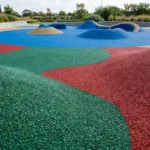
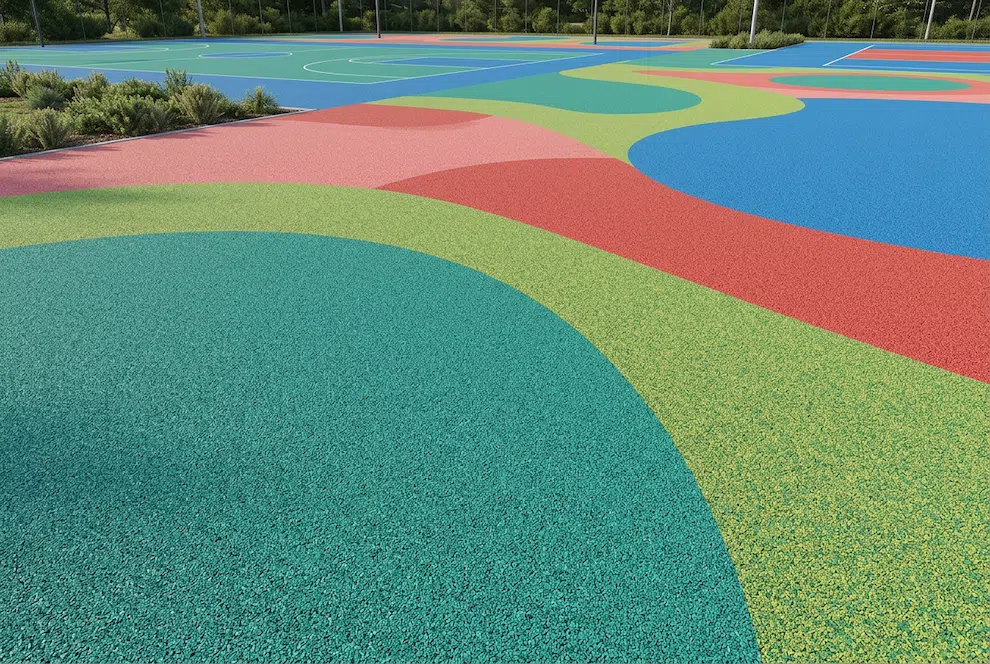
EPDM granules are small particles of rubber material. These granules are mixed with polyurethane binders and used in flooring applications. Once applied, they create a flexible, colorful, and durable surface. EPDM granules are especially preferred in playground flooring, athletic tracks, sports halls, and schoolyards.
In addition, EPDM granules are produced in a wide range of colors such as red, blue, green, yellow, and many more. This extensive color palette enables both aesthetic and functional surface designs.
Applications of EPDM
Flooring Applications
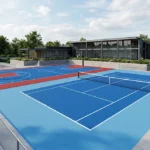
EPDM granules are widely used in sports facilities, especially for playground safety flooring and athletic tracks. They provide superior performance in terms of both aesthetics and safety.
Polin Kimya EPDM Products
Polin Kimya offers high-quality EPDM granules and binder systems for sports facilities and playground areas. It also produces flooring solutions where these systems are applied. You can explore our products through the following pages:
You can follow Polin Kimya’s social media channels for EPDM products and reference projects: Instagram | YouTube | LinkedIn
Contact the Polin Kimya team for EPDM granule selection and technical support for your project.
Frequently Asked Questions
What is the difference between EPDM and natural rubber?
Natural rubber is an organic material derived from latex trees and degrades quickly under UV and ozone exposure. EPDM, on the other hand, is synthetically produced and offers excellent resistance to UV and ozone. Therefore, EPDM provides a much longer service life in outdoor applications compared to natural rubber.
How long does EPDM flooring last?
EPDM flooring systems installed using high-quality granules and polyurethane binders typically last between 8 and 15 years under normal usage conditions. Usage intensity, maintenance level, and climate conditions are the main factors affecting this lifespan.
Is EPDM flooring recyclable?
Yes, EPDM rubber is a recyclable material. At the end of its service life, EPDM flooring can be processed back into granules and reused in new flooring systems. This makes EPDM an environmentally friendly material.