The question “what is polyurethane?” is frequently encountered in the construction and industrial sectors. Polyurethane is a versatile polymer material formed through a chemical reaction between polyols and isocyanates. It is widely used in many applications, ranging from flooring systems and waterproofing to adhesives and foam insulation.
How Is Polyurethane Produced?
Polyurethane production is based on combining two main components under controlled conditions. When polyols and isocyanates are mixed, a chemical reaction occurs, resulting in polyurethane material that can be either rigid or flexible. The formulation used during production directly determines the final properties of the material.
For example, different formulations are used for rigid foam production, while flexible flooring systems require different ratios. Therefore, polyurethane is a unique material capable of gaining different physical and chemical properties depending on its intended use.
Key Properties of Polyurethane
- High flexibility and impact absorption capability
- Resistance to UV radiation and weather conditions
- Thermal stability across a wide temperature range
- Effective barrier against water and moisture
- Medium to high resistance to chemical substances
- Strong adhesion to various surfaces
How Is Polyurethane Used in Flooring Systems?
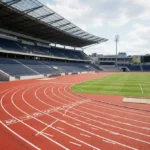
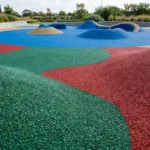
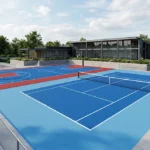
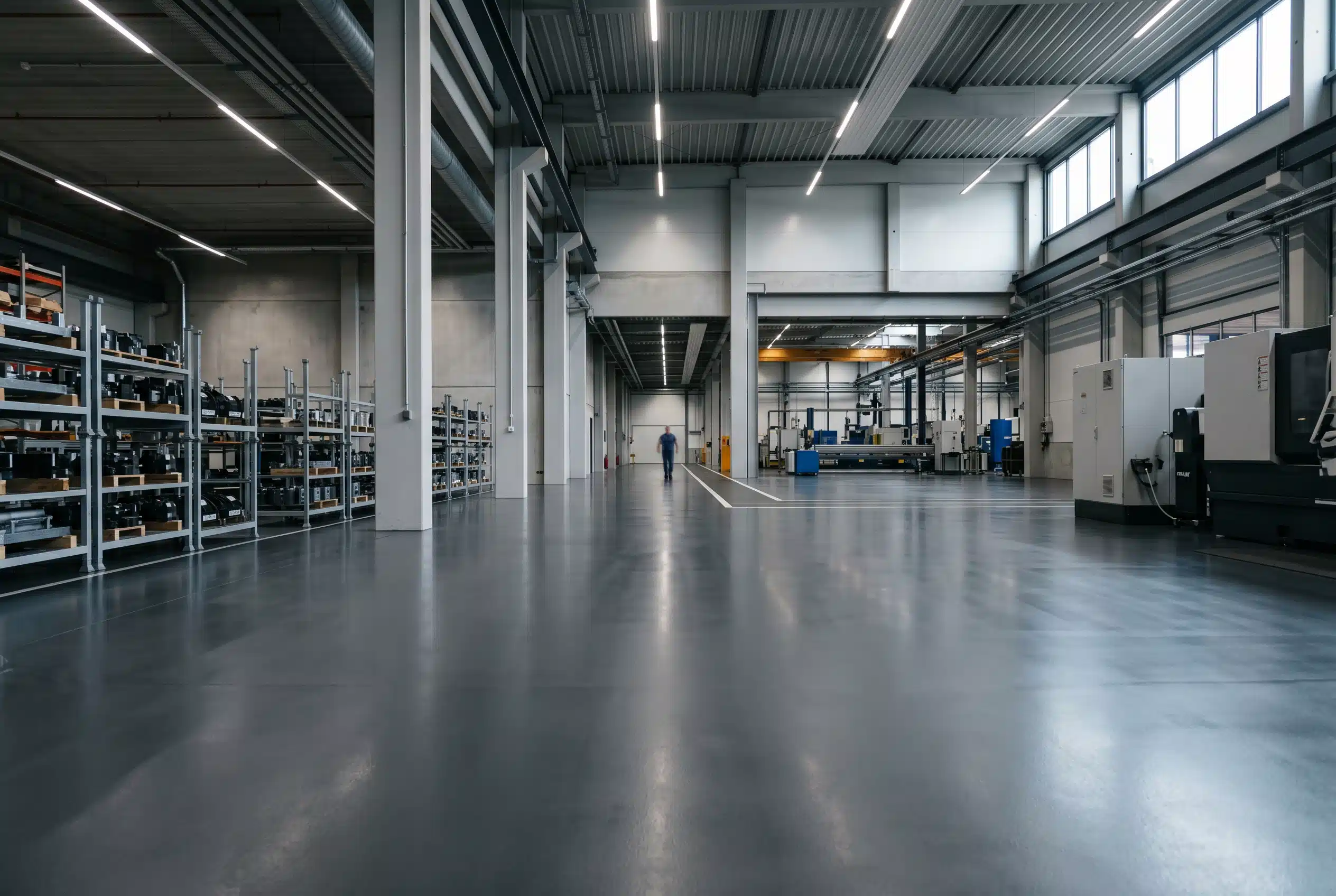
Polyurethane flooring systems are used in a wide range of environments such as factories, warehouses, cold storage facilities, and sports complexes. These systems are applied over concrete surfaces to protect them against abrasion, chemical exposure, and moisture.
Compared to epoxy systems, polyurethane flooring systems have a more flexible structure. This flexibility allows them to perform better in environments with significant thermal expansion and contraction, such as cold storage facilities and outdoor areas.
Advantages of Polyurethane Flooring
- Flexible structure resistant to cracking and breaking
- Long-lasting performance in cold and wet environments
- Fast application and short curing time
- Anti-slip surface options
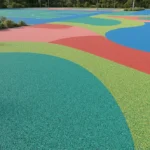
- Wide range of colors and aesthetic choices
How Is Polyurethane Used in Waterproofing?
Polyurethane is widely used in waterproofing applications as a liquid membrane system. It is applied to surfaces such as terraces, roofs, balconies, foundations, and basements where water exposure is intense. Once applied, it forms a continuous waterproof barrier over the entire surface.
The greatest advantage of polyurethane waterproofing systems is that they create a seamless membrane layer without joints or seams. This eliminates the leakage risks commonly seen at connection points in traditional roll membrane systems. Additionally, it can be easily applied on sloped and complex geometrical surfaces.
Polyurethane Adhesives and Other Applications
Polyurethane is not limited to flooring and waterproofing applications. It is also widely used as parquet adhesive, artificial grass adhesive, flexible foam, insulation panels, and automotive components. This versatility makes polyurethane an essential material in modern construction and manufacturing industries.
Polin Kimya Polyurethane Products
Polin Kimya offers a wide range of polyurethane-based flooring and waterproofing systems. You can explore the following product categories to find the most suitable solution for your needs:
To stay updated with Polin Kimya’s polyurethane products and application examples, you can follow their social media channels: LinkedIn | YouTube | Instagram
Contact Polin Kimya experts for technical support regarding polyurethane-based systems.
Frequently Asked Questions
What is the difference between polyurethane and epoxy?
Polyurethane stands out for its flexibility and UV resistance, while epoxy offers superior chemical resistance and mechanical hardness. Therefore, polyurethane is preferred for outdoor applications and areas with significant temperature changes, whereas epoxy is preferred for indoor environments with high chemical exposure.
How long does polyurethane waterproofing last?
The lifespan of polyurethane waterproofing systems depends on application quality, surface preparation, and climatic conditions. A properly applied and well-maintained polyurethane membrane system can provide effective protection for approximately 10 to 15 years.
Can vehicles be driven on polyurethane flooring?
Yes, polyurethane flooring systems designed for vehicle traffic are successfully used in parking lots and garages. However, in areas with heavy industrial vehicle traffic, the mechanical resistance of the system should be evaluated based on project-specific requirements.