The selection of waterproofing materials is a critical decision that directly affects the long-term durability of a structure. An incorrect choice can lead to moisture-related damage, surface deterioration, and high repair costs. Therefore, multiple criteria must be evaluated together when selecting the right waterproofing system.
Why Are Waterproofing Materials So Important?
Water is one of the most damaging natural elements for buildings. In areas such as terraces, roofs, balconies, basements, and foundations, water leakage can cause concrete deterioration, corrosion of reinforcement steel, and mold formation due to indoor moisture. Therefore, an effective waterproofing system is one of the most important investments for extending the overall lifespan of a structure.
Key Criteria for Choosing Waterproofing Materials
1. Application Area and Surface Type
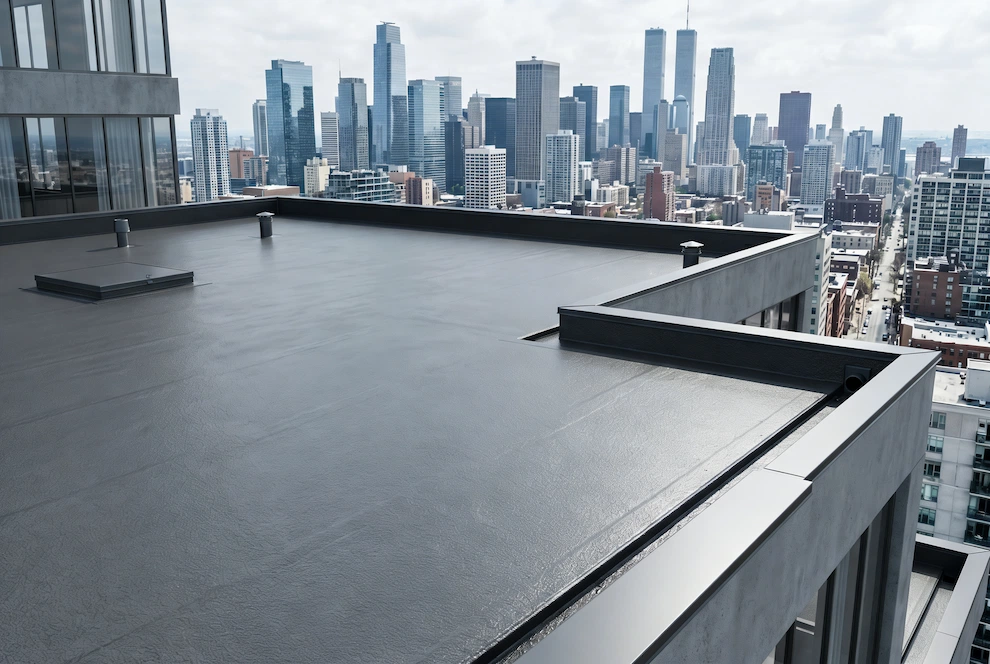
The first step in selecting waterproofing materials is determining the application area and surface type. Terrace and roof applications have different requirements compared to basement waterproofing. For example, UV-resistant materials should be used for surfaces exposed to sunlight such as terraces. On the other hand, systems resistant to hydrostatic pressure are essential for basements and foundations.
2. Type of Material
There are many different types of waterproofing materials on the market. The most common ones include:
- Polyurethane liquid membrane: Adapts to complex geometries; provides a seamless surface without joints
- Bituminous membranes: Widely used for roofs and terraces; available in hot or cold application types
- Acrylic-based membranes: Thin-layer systems used for balconies and moisture barrier applications
- Epoxy-based waterproofing systems: Preferred in areas requiring high chemical resistance
3. Surface Preparation Requirements
Each waterproofing material requires specific surface preparation conditions. Surface cleanliness, moisture level, and adhesion strength directly affect system performance. Therefore, it is essential to review the manufacturer’s technical data sheet and prepare the surface accordingly.
4. UV and Weather Resistance
Waterproofing materials used in outdoor applications must withstand sunlight and weather conditions. Materials with low UV resistance lose their surface integrity quickly and require early replacement. Additionally, resistance to freeze–thaw cycles is particularly important in cold climates.
5. Application Method and Labor Requirements
Waterproofing materials can be applied using different methods such as brush, roller, spray, or torch-on installation. Some systems require professional equipment and skilled labor, while others offer more practical application methods. Therefore, application technique and labor costs should be planned in advance.
6. Expected Lifespan and Warranty
Waterproofing materials vary significantly in terms of service life. Choosing a short-lived material may seem cost-effective initially, but can become more expensive in the long run due to repair and replacement costs. Therefore, warranty period and expected lifespan should be considered in total cost evaluation.
Polin Kimya Waterproofing Solutions
Polin Kimya offers a comprehensive range of waterproofing systems and products for terraces, roofs, balconies, and basements. You can explore the following pages to find the most suitable solution for your project:
For up-to-date information and application examples of Polin Kimya waterproofing solutions, you can follow their social media channels: Instagram | YouTube | LinkedIn
Contact the Polin Kimya technical team to choose the right waterproofing material for your project.
Frequently Asked Questions
Can waterproofing materials be applied on wet surfaces?
In general, waterproofing materials are applied to dry or controlled-moisture surfaces. Some special formulations may be suitable for wet surfaces; however, this must be clearly stated in the manufacturer’s technical data sheet. Application on wet surfaces significantly reduces adhesion performance.
What is the best waterproofing material for terraces?
For terrace waterproofing, UV-resistant polyurethane liquid membranes or bituminous membrane systems are commonly preferred. In terraces with complex detailing, liquid membranes offer a better solution since they create a seamless, joint-free surface.
How often should waterproofing materials be renewed?
The renewal period depends on the material type, climatic conditions, and maintenance level. High-quality systems such as polyurethane liquid membranes can last around 10–15 years, while thinner coating systems may require renewal every 5–8 years.